
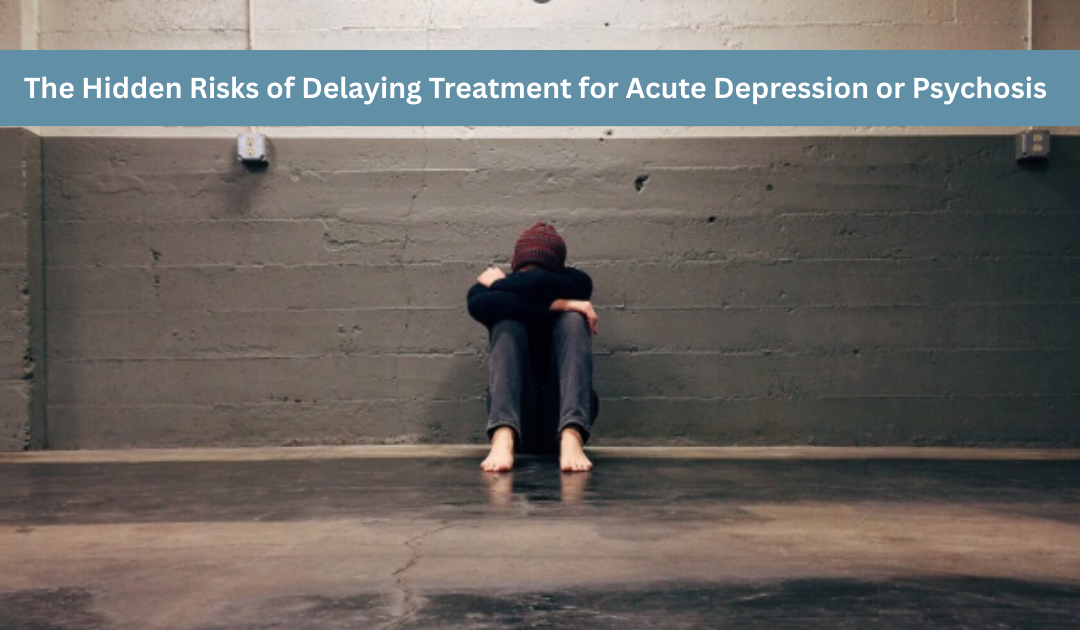
Acute depression and psychosis can disrupt daily life fast. When symptoms rise to this level, waiting to seek help increases the chance of harm. Many people hope the symptoms will pass or believe they can manage on their own. Others feel unsure about where to go or what treatment looks like. These delays create risks that are often invisible until they grow into emergencies. Understanding these risks helps you act early and choose the right support, whether through treatment centers for depression, outpatient care, or a mental wellness center that offers a full range of services.
Why Acute Symptoms Demand Timely Care
Acute depression differs from mild or moderate forms. It drains energy, slows thinking, disrupts sleep, and creates a sense of emotional shutdown. Acute psychosis shifts a person’s connection to reality. It may bring hallucinations, delusions, or severe confusion.
When these symptoms appear, the brain signals that something is wrong. Leaving them untreated invites complications. A person may lose the ability to make sound decisions or manage responsibilities. Work, relationships, and physical health can all decline. Early treatment supports safety and returns stability before more damage occurs.
The Hidden Risks of “Waiting It Out”
1. Worsening Symptoms
Symptoms of acute depression or psychosis rarely fade on their own. The longer they last, the deeper they root themselves. For depression, this can slow recovery and increase the chance of recurring episodes. For psychosis, delays may make it harder for the brain to respond to treatment.
2. Greater Risk of Self-Harm
Untreated acute depression can raise the risk of self-harm or suicidal thoughts. Psychosis may also increase risky behaviors due to impaired judgment. Seeking care early reduces these dangers.
3. Strain on Physical Health
Acute depression affects appetite, sleep cycles, pain levels, and immune response. Psychosis can disrupt basic self-care. Over time, this harms the body as well as the mind. Treatment supports regular sleep, nutrition, and activity, which all play a role in recovery.
4. Impact on Work and Daily Function
A person may withdraw or lose the ability to focus. Tasks take longer. Mistakes increase. Tension rises at work and at home. By the time someone seeks help, these areas of life may already be damaged. Timely treatment protects stability.
5. Relationship Breakdown
Loved ones may not understand the symptoms. Misunderstandings grow. Communication declines. Delaying treatment can strain relationships in ways that take time to repair. Support from a mental wellness center often includes family education, which helps rebuild trust.

How Treatment Centers Help Stabilize Acute Symptoms
Quality treatment centers for depression and programs for psychosis use structured care. These settings give people a safe space to regain control of their thoughts and emotions. They include therapy, medication management, and practical skills that help with daily function.
A person with acute depression may work with psychiatrists, therapists, and nurses who monitor symptoms and adjust treatment as needed. Someone with psychosis may receive antipsychotic medication and structured support to help regain clarity. Early intervention speeds progress and lowers the risk of long-term disability.
Depression treatment centers use evidence-based methods. They focus on safety and steady improvement rather than quick fixes. Their teams guide people through each step with clear communication and calm care.
When an IOP for Depression Is the Right Fit
Many people fear they will need inpatient care, but that is not always the case. An IOP for depression (Intensive Outpatient Program) offers strong support while letting people live at home. IOPs often include:
- Group therapy
- Individual therapy
- Medication management
- Skills training
- Crisis planning
These programs help people who need more than weekly therapy but do not need 24-hour supervision. They work well for those who notice their symptoms rising or feel unsure how to manage daily stress.
An IOP can also be a step-down option after inpatient care. It keeps progress moving while lowering the risk of relapse.
Early Action Builds Long-Term Stability
When you address acute symptoms early, you give yourself more options. You gain time, clarity, and support. You avoid crises that may require hospitalization. You protect your health, your relationships, and your plans.
Acting early is not a sign of failure. It is a sign of awareness. It shows you understand the seriousness of these conditions and value your well-being. Whether you choose an IOP, a mental wellness center, or one of the best depression treatment centers, the key is to act before the situation becomes harder to control.
What to Do If You Notice Symptoms in Yourself or Someone Else
- Watch for sudden changes in mood, sleep, or behavior
- Note increases in confusion, withdrawal, or hopelessness
- Reach out to a trusted healthcare provider
- Ask about treatment options that match the level of need
- Do not wait for symptoms to “get bad enough”
Support is available. Treatment works. Early steps make recovery smoother.
Ready to Take the Next Step?
Acute symptoms don’t wait, and you don’t need to face them alone. Our team provides timely, evidence-based care to help you regain stability and move forward with confidence.
Frequently Asked Questions
Acute depression involves severe symptoms that disrupt daily function. This may include intense hopelessness, loss of ability to perform basic tasks, or thoughts of self-harm. If these appear, seek care right away.
No. Many centers offer multiple levels of care. They support mild, moderate, and acute symptoms with different programs, including IOPs and outpatient therapy.
Yes. IOPs allow you to live at home and attend treatment during set hours. Many people maintain work or caregiving while in an IOP.
They use evidence-based care, have trained clinical teams, and provide structured support. They focus on long-term outcomes rather than quick fixes.
Early intervention lowers the risk of relapse. It teaches coping skills, improves stability, and helps detect warning signs before symptoms return.