
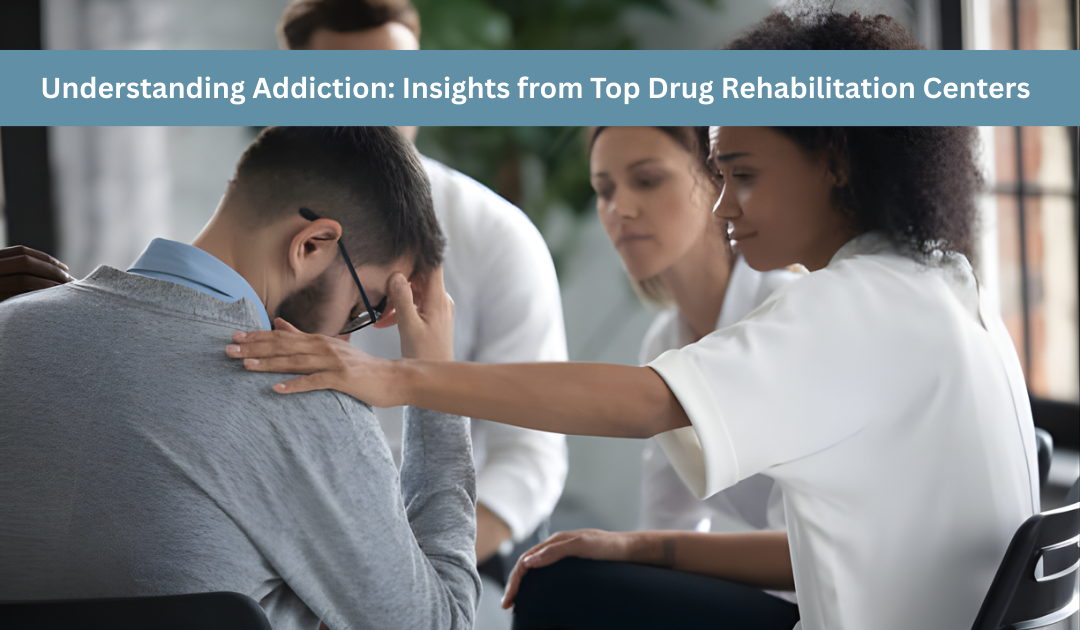
Addiction is a complex and often misunderstood medical condition that affects millions of people worldwide. It impacts not only individuals but also families and entire communities. Understanding how addiction develops and how recovery works is essential for long-term healing. This is where top drug rehabilitation centers play a critical role by providing structured treatment, clinical expertise, and compassionate care.
Drug rehabilitation centers help individuals move from crisis to stability by addressing both the physical and psychological aspects of substance use disorders. Their insights offer a clearer picture of what addiction truly is and how recovery can be achieved.
Decoding the Complexity of Addiction
Addiction is not simply the result of poor decisions or lack of willpower. It is recognized as a medical condition that affects brain function and behavior. According to clinical guidelines, addiction is characterized by compulsive substance use despite harmful consequences.
Repeated drug use alters brain chemistry, especially in areas related to motivation, reward, and impulse control. Over time, this makes quitting extremely difficult without professional support. Understanding addiction as a health condition reduces stigma and encourages individuals to seek treatment rather than suffer in silence.
Role of Drug Rehabilitation Centers in Addiction Treatment
Top drug rehabilitation centers provide a safe and structured environment where individuals can begin the recovery process. These centers are staffed with licensed medical professionals, therapists, and addiction specialists trained to manage withdrawal symptoms, mental health issues, and behavioral patterns linked to substance use.
Rehabilitation programs typically include medical detox, therapy, education, and relapse prevention strategies. This comprehensive approach improves both short-term stabilization and long-term recovery outcomes.
Personalized Care and Individual Treatment Plans
One of the most important strengths of drug rehabilitation centers is personalized care. No two people experience addiction in the same way, so treatment must be tailored to each individual’s needs.
Personalized treatment plans may include:
- Medical support for withdrawal and cravings
- Individual therapy sessions
- Group counseling
- Dual diagnosis treatment for mental health conditions
- Family therapy and education
This individualized approach helps address underlying causes of addiction while building healthier coping skills.

The Therapeutic Approach to Recovery
Therapy is a central part of addiction treatment. Evidence-based therapies such as cognitive behavioral therapy (CBT) help individuals recognize triggers, manage cravings, and change harmful thought patterns.
Group therapy is also highly effective because it allows individuals to share experiences, build accountability, and develop peer support networks. These connections can significantly reduce feelings of isolation and shame, which often contribute to relapse.
Innovative and Holistic Treatment Methods
Many leading drug rehabilitation centers also integrate holistic therapies into treatment programs. These approaches support emotional regulation and stress management, which are essential for recovery.
Common holistic therapies include:
- Mindfulness and meditation
- Yoga and movement therapy
- Art and music therapy
- Nutrition and wellness education
While not replacements for clinical treatment, these methods strengthen emotional resilience and support long-term recovery.
The Crucial Role of Aftercare and Relapse Prevention
Recovery does not end when a rehabilitation program is completed. Long-term success depends heavily on aftercare planning and continued support.
Aftercare services may include:
- Outpatient therapy
- Support groups and alumni programs
- Sober living arrangements
- Ongoing relapse prevention counseling
Consistent follow-up care helps individuals maintain stability, manage stress, and stay committed to sobriety after leaving residential treatment.
Understanding the Broader Societal Impact
Drug rehabilitation centers also contribute to public education and stigma reduction. By promoting awareness about addiction as a health condition, these centers help communities respond with empathy rather than judgment.
Education programs, outreach initiatives, and family support services strengthen recovery environments and encourage early intervention, which improves overall public health outcomes.
Conclusion
Top drug rehabilitation centers play a vital role in both treating addiction and reshaping how society understands it. Through medical care, personalized treatment plans, therapy, holistic support, and aftercare services, these centers guide individuals toward long-term recovery.
Addiction may be a challenging condition, but with the right support and professional care, recovery is possible. Drug rehabilitation centers remain essential pillars of hope, healing, and transformation for individuals and families affected by substance use disorders.
Ready to Take the Next Step?
The sooner you get help, the sooner healing begins. Talk to our team now.
Get Help Now!Frequently Asked Questions
Drug rehabilitation centers treat substance use disorders involving drugs or alcohol by providing medical care, therapy, and behavioral support to help individuals stop using and build healthier habits.
Treatment length varies by person and program, but many rehab programs last from 30 to 90 days, followed by ongoing outpatient care or aftercare support.
Many drug rehabilitation centers offer supervised medical detox to manage withdrawal symptoms safely before starting therapy and long-term treatment programs.
Rehab programs commonly use cognitive behavioral therapy, group counseling, family therapy, and relapse prevention education to support lasting recovery.
Aftercare helps prevent relapse by providing continued counseling, peer support, and coping strategies as individuals transition back to daily life.