
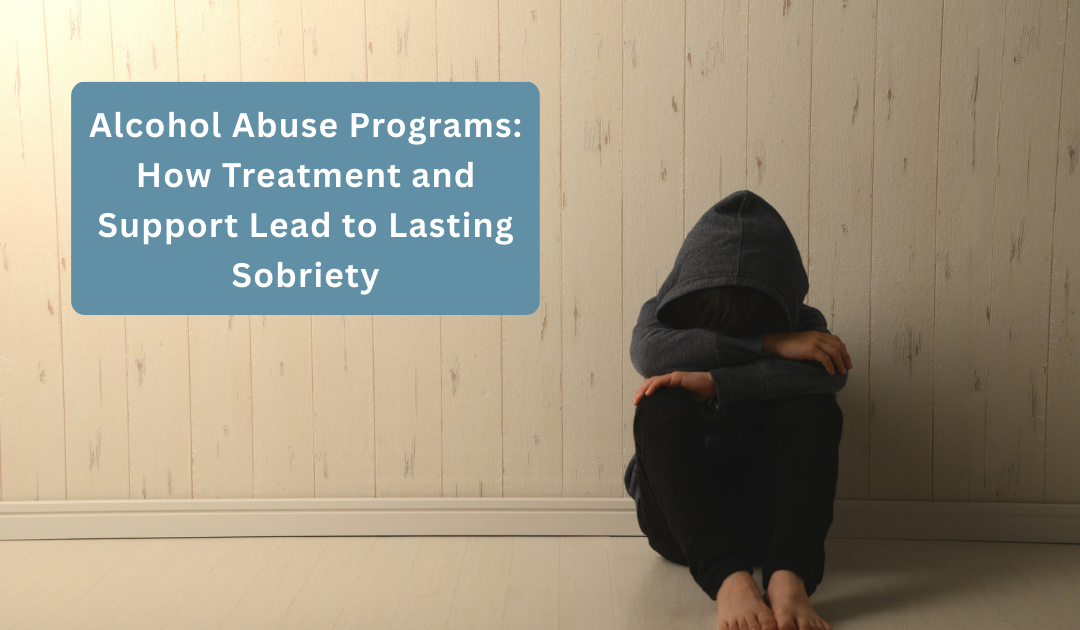
The journey to overcoming alcohol addiction is challenging, deeply personal, and transformative. Alcohol abuse programs play a critical role in this process by providing structured treatment, professional care, and ongoing support. More than a short-term solution, these programs help individuals regain control of their lives and build a sustainable path to sobriety.
What Is Alcohol Abuse?
Alcohol abuse is defined as a pattern of drinking that leads to significant distress or harm, including health problems, strained relationships, or difficulty fulfilling responsibilities at work or home. According to the American Psychiatric Association, alcohol abuse often develops gradually, making it difficult to recognize without professional evaluation.
Early recognition is essential. Left untreated, alcohol abuse can progress into alcohol dependence and increase the risk of serious physical and mental health conditions.
How Alcohol Abuse Programs Help Recovery
Alcohol abuse programs are structured treatment programs designed to help individuals reduce or stop harmful drinking behaviors. They combine medical care, evidence-based therapy, and peer support to address both the physical and psychological aspects of addiction.
These programs are led by licensed medical professionals, therapists, and addiction specialists who understand that addiction is a medical condition, not a moral failure.
Personalized Treatment Plans in Alcohol Abuse Programs
Effective alcohol abuse treatment is never one-size-fits-all. Each individual enters recovery with unique challenges, health needs, and personal circumstances.
Most alcohol abuse programs create personalized treatment plans that may include:
- Medical detox to manage withdrawal symptoms safely
- Inpatient or outpatient treatment options
- Individual therapy sessions
- Group counseling and peer support
- Treatment for co-occurring mental health conditions such as anxiety or depression
This individualized approach improves outcomes by addressing the root causes of alcohol addiction rather than only the symptoms.

The Role of Therapy in Alcohol Addiction Treatment
Therapy is a cornerstone of alcohol abuse programs. It helps individuals understand why they drink, identify triggers, and develop healthier coping strategies.
Common therapeutic approaches include:
- Cognitive-behavioral therapy to change harmful thought patterns
- Motivational interviewing to strengthen commitment to recovery
- Trauma-informed therapy when past experiences contribute to substance use
Through therapy, individuals gain practical tools to manage cravings, reduce relapse risk, and rebuild emotional stability.
Medical Detox and Clinical Support
For many people, stopping alcohol use abruptly can be dangerous. Medical detox provides supervised care during withdrawal, ensuring safety and comfort while the body adjusts.
Alcohol abuse programs with medical detox services monitor vital signs, manage symptoms, and provide medications when necessary. This clinical support creates a safer foundation for long-term treatment.
Support Systems and Peer Recovery Groups
Recovery does not happen in isolation. One of the most powerful elements of alcohol abuse programs is the sense of community they create.
Group therapy and peer support sessions allow individuals to:
- Share experiences without judgment
- Learn from others in similar situations
- Build accountability and encouragement
This sense of belonging often becomes a crucial factor in maintaining long-term sobriety.
Holistic Approaches in Alcohol Abuse Treatment
Many modern alcohol abuse programs incorporate holistic practices to support overall well-being. These may include:
- Mindfulness and meditation
- Yoga or light physical activity
- Nutrition counseling
- Stress management techniques
Holistic care helps individuals develop healthier routines and coping mechanisms that support sobriety beyond clinical treatment.
Aftercare and Long-Term Sobriety Support
Recovery does not end when a treatment program concludes. Ongoing support is essential to prevent relapse and maintain progress.
Aftercare services commonly include:
- Continued counseling or therapy
- Alumni support groups
- Relapse prevention planning
- Access to community recovery resources
Alcohol abuse programs that emphasize aftercare recognize that sobriety is a long-term commitment requiring continued guidance and support.
Choosing the Right Alcohol Abuse Program
Selecting the right program depends on individual needs, severity of alcohol use, and personal responsibilities. Factors to consider include:
- Inpatient versus outpatient treatment options
- Availability of medical detox
- Licensed and experienced clinical staff
- Treatment for co-occurring mental health conditions
- Long-term aftercare support
Seeking professional guidance can help determine the most appropriate level of care.
Empowering a Sober and Fulfilling Future
Alcohol abuse programs do more than help individuals stop drinking. They provide the skills, confidence, and structure needed to rebuild a meaningful life without alcohol. With the right support, recovery is not only possible but sustainable.
Conclusion
Alcohol abuse programs play a vital role in helping individuals overcome addiction through comprehensive treatment, therapy, and long-term support. While the journey to sobriety is demanding, professional care significantly increases the chances of lasting recovery.
If you or someone you love is struggling with alcohol abuse, seeking help early can make a life-changing difference. Recovery begins with a single step, and support is available.
Ready to Take the Next Step?
The sooner you get help, the sooner healing begins. Talk to our team now.
Get Help Now!Frequently Asked Questions
Alcohol abuse programs are structured treatment programs that help individuals reduce or stop harmful drinking through medical care, therapy, and long-term recovery support. They address both the physical and psychological aspects of alcohol addiction.
Alcohol abuse programs work by combining medical detox when needed, evidence-based therapy, peer support, and personalized treatment plans. This approach helps individuals manage withdrawal, understand the causes of addiction, and develop skills to maintain sobriety.
Common types of alcohol abuse programs include inpatient rehab, outpatient treatment, intensive outpatient programs, and medical detox services. The right option depends on the severity of alcohol use and individual health needs.
The length of alcohol abuse programs varies based on treatment type and individual progress. Programs may last from a few weeks to several months, with aftercare support continuing long after formal treatment ends.
Yes, most alcohol abuse programs offer aftercare services such as ongoing counseling, peer support groups, and relapse prevention planning to help individuals maintain long-term sobriety.