by Atlas | Jul 5, 2026 | Uncategorized
The Fourth of July weekend can be a time of celebration, connection, and summer traditions. For many people, it also brings challenges that are not always visible from the outside. Cookouts, alcohol-centered gatherings, fireworks, crowded events, disrupted routines,...
by Atlas | Jul 1, 2026 | Uncategorized
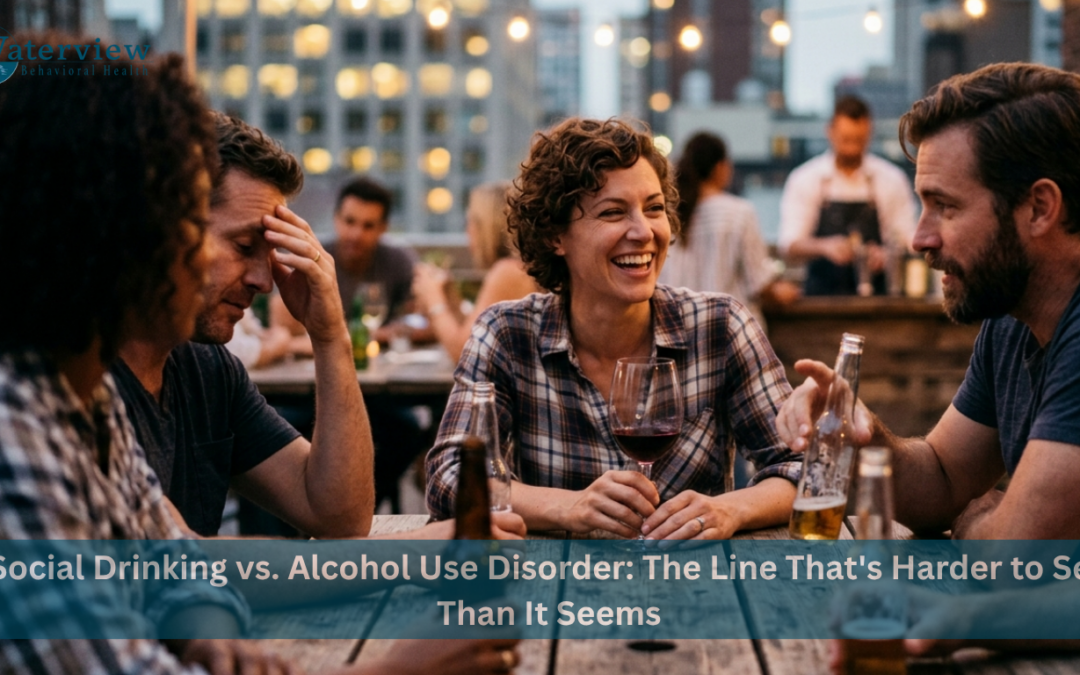
Let’s start with the obvious part: most adults who drink do so socially, and there’s nothing disordered about it. That’s worth saying plainly, because it’s easy for a piece like this to make people...
by Atlas | Jun 29, 2026 | Uncategorized
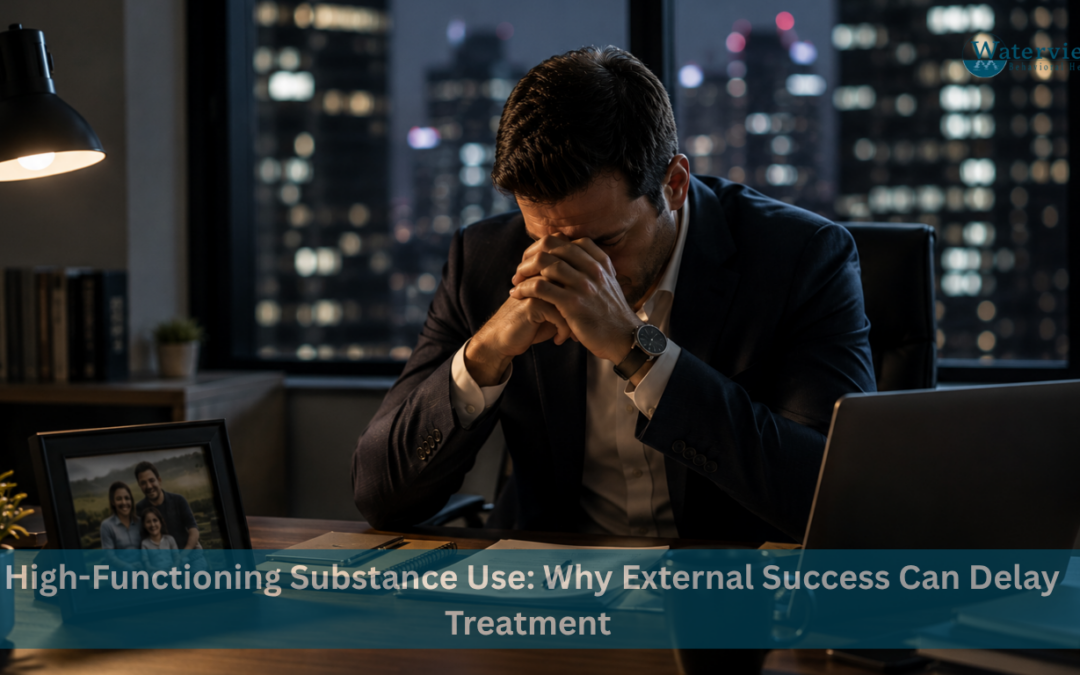
When most people picture substance use disorder, they picture visible crisis: a lost job, a broken marriage, an empty bank account, a DUI. Those experiences are real, and they happen to plenty of people. But they’re not the whole picture. ...
by Atlas | Jun 24, 2026 | Uncategorized
Recovery Capital: What It Is and Why It Predicts Long-Term Outcomes When clinicians think about long-term recovery from a substance use disorder, it is natural to focus first on diagnosis, symptom severity, treatment history, motivation, and the quality of the...
by Atlas | Jun 23, 2026 | Uncategorized
Every January, millions of people make the same kind of promise to themselves. Drink less. Fix that relationship that’s been strained for months. Finally deal with the depression, the anxiety, the trauma, or the substance...
by Atlas | Jun 15, 2026 | Uncategorized
Avoidance is one of the four core symptom clusters of PTSD, and it’s one of the most effective ways PTSD maintains itself over time. The more consistently a person avoids the internal experience of trauma, the less opportunity there is for the processing that...